The Influencer Era Is Fading: Why Gen Z Trusts Reviews More Than Ever
The Influencer Era Is Fading: Why Gen Z Trusts Reviews More Than Ever
Apr 01, 2026
Gen Z's Deep Shift: Reviews Top Influencers
Unveiling the New Trust Landscape
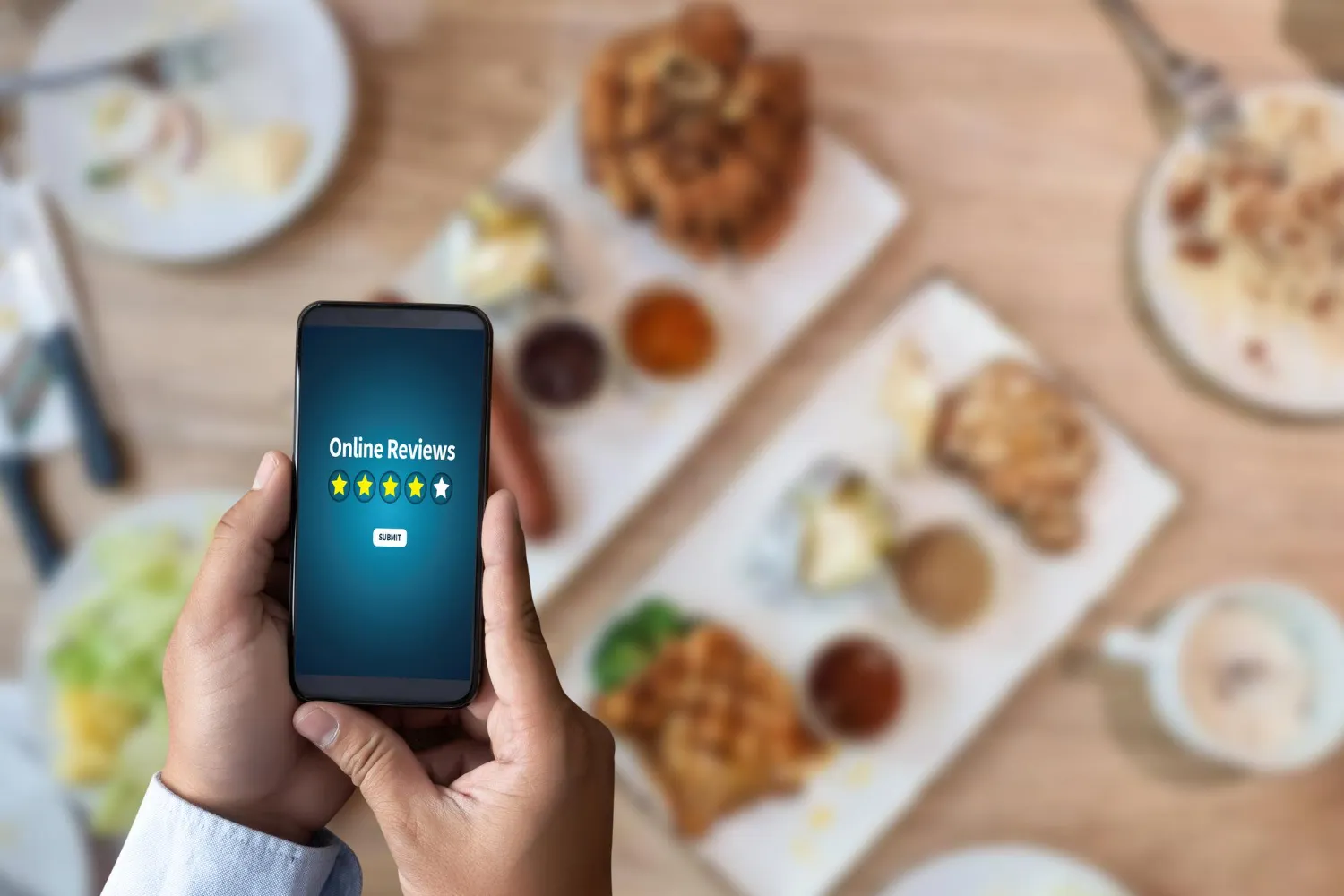
It's time to roll up our sleeves and confront a pivotal change impacting the restaurant industry: the trust revolution led by Gen Z. As digital natives reshuffle the credibility hierarchy, a startling 72% of them perceive customer reviews as the go-to source for evaluating brands. Forget the allure of influencers—this generation is gravitating towards the unvarnished truth found in peer reviews and independent research.
The Decline of the Influencer Era
Once perceived as digital royalty, influencers are losing ground. Sure, they create buzz, but their sheen fades under the sharp scrutiny of a generation skeptical of polished endorsements. Today, influencers rank merely seventh, behind not just customer reviews but independent research and expert opinions. This reality implores restaurants to recalibrate their strategies. Imagine transforming dining experiences into customer-led narratives. Instead of orchestrating high-budget influencer stunts, why not invite diners to share their genuine stories? Capture the essence of your restaurant—not through scripts, but through authentic voices relishing the flavors.
Peer Validation: The New Currency
So where should restaurants place their bets? On the unscripted, diverse tapestry of customer experiences. Reviews are the embers of a brand’s credibility fire. Fast forward to 2027, restaurants thriving won't just listen to reviews—they'll live them. Picture this: a bistro that not only invites reviews but responds like a friend, acknowledging triumphs and missteps with equal grace. By humanizing responses, bistros mirror Gen Z values, turning potential critiques into relationships rooted in trust.
Engaging Gen Z Through Authentic Brand Interactions
Restaurants ready to lead must also embody transparency in their communication. Gen Z favors clear, useful information over elusive brand promises. This preference nudges operators to peel back the marketing layers. How about an open kitchen night where chefs share culinary secrets and sustainability practices live, turning an ordinary meal into an informative adventure? Paired with dynamic content featuring real diners engaging with your brand, you forge a deeper connection, transforming casual visitors into loyal advocates.
Beyond Polished: The Art of Imperfection
An observation that might provoke some surprise: Gen Z appreciates flaws—if they signal authenticity. In the kaleidoscope of digital marketing, the imperfect touch—the unfiltered review, the candid photo—shines. It humanizes brands, fostering a perception that goes beyond commercial to genuine. The restaurant that embraces occasional chaos, like showing the behind-the-scenes bustle during peak hours, not only demonstrates authenticity but invites patrons to be part of the narrative, making them co-authors of the brand story.
Balancing Influence with Genuine Marketing
Despite their waning influence, don’t write off influencers entirely. They remain excellent for discovery, but their role now is to guide audiences to richer storytelling via genuine customer experiences. Consider strategies where influencers introduce diner testimonials or unleash interactive storytelling on social media, bridging the gap between outsider allure and insider truth. By blending influencer reach with raw customer insights, your restaurant stands to capture hearts across diverse demographics.
Key Takeaways: Double Down on Real
As you navigate the evolving waters of consumer trust, align your vessel with genuine, customer-led interactions. From reframing marketing tactics to amplifying authentic voices, the Gen Z-led shift is less a departure from the norm than an invitation to redefine it. If one believes that dining experiences should be relished rather than orchestrated, then let authenticity be your guide. As we meet 2026 and 2027, the message is crystal clear. Want to captivate this influential demographic? Double down on being real, responsive, and slightly imperfect.