Why Restaurant Leaders Are Urging New Immigrant Work Rules
Why Restaurant Leaders Are Urging New Immigrant Work Rules
Mar 16, 2026
Do you feel the weight of a changing dining landscape? As the quest for culinary experiences collides with the gritty realities of staffing shortages, the restaurant industry stands at a pivotal intersection. The unsentimental numbers tell us: an estimated shortage of 155,000 workers anchoring the food supply chain, with 42% of operators swirling in unprofitability. But tornadoes always have an eye–and it's in this epicenter that we find not chaos, but potential.
The Invisible Backbone: Immigrant Workers
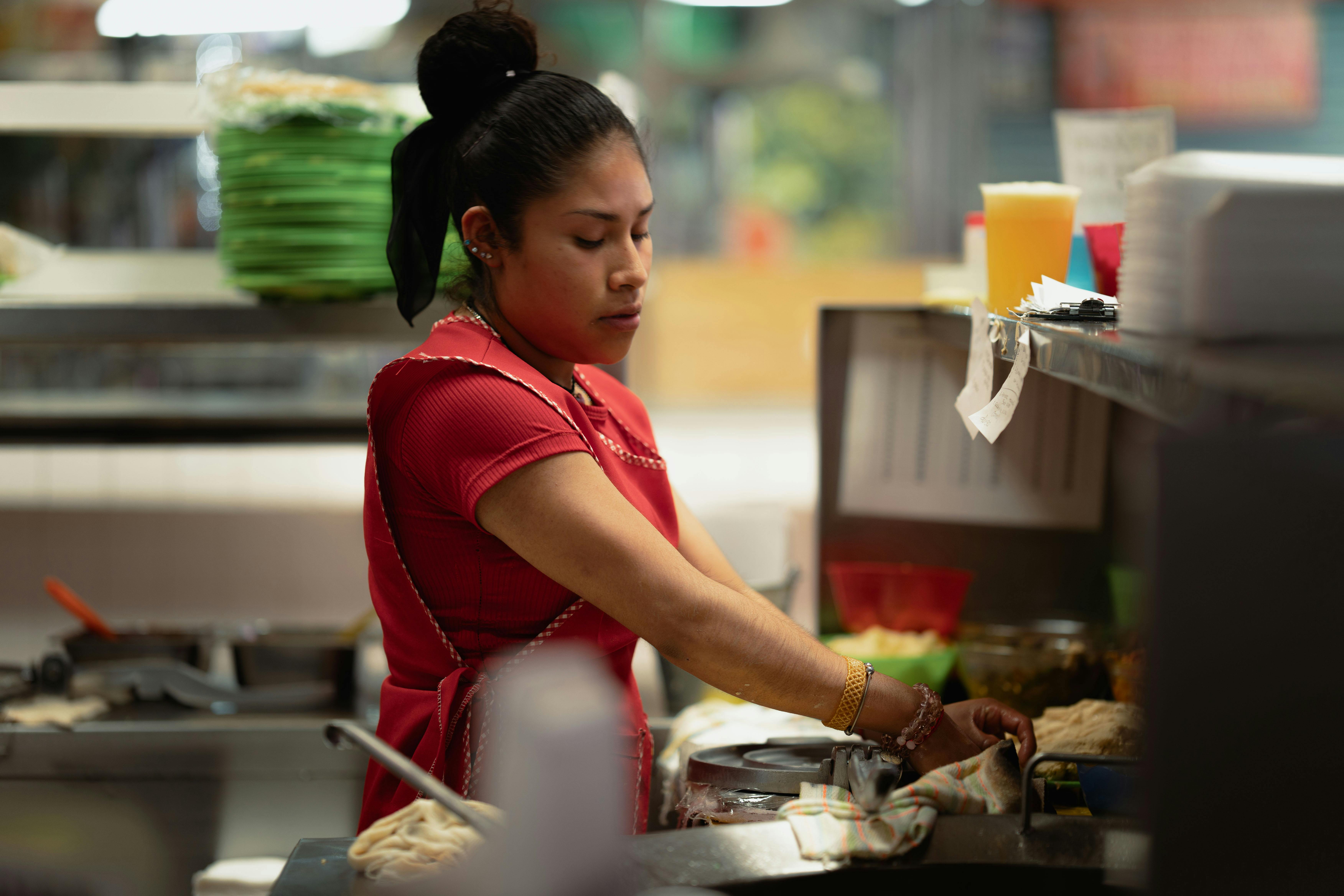
Beneath the flickering neon signs and ambient restaurant chatter, immigrant workers form the pulse of the culinary ecosystem. They are often the hands crafting, cleaning, and quintessentially bringing visions to the dining plate. Today, 20% of the U.S. restaurant workforce is composed of immigrants; yet, their foundational contributions are met with an existential unease around deportation and work instability. The "Keep Food on the Table" initiative by the Seat the Table coalition advocates for reform, pushing for work permits for these indispensable workers to transform instability into structured workforce momentum.
Think of it: stability in staffing doesn't just alleviate a headache; it solidifies the restaurant’s foundation, paving a clearer path from concept to cuisine execution. Immigration policy is not just legislation; it’s a keystone for transformative potential within our culinary communities.
The Dignity Act: Bread without Butter?
At the heart of congressional debates lies the Dignity Act – a blueprint offering a seven-year work journey sans citizenship pathways. While it's a stride on the legislative stage, its incomplete promise leaves tensions simmering. The broader narrative unveils a conundrum: Can we define dignity without citizenship? For the restaurant industry, this could mean perpetuating an undercurrent of "forever temporary" status among a critical labor force.
Imagine, however, the leverage of giving a voice to those who fuel your favorite dining experiences. Beyond workforce stability, dignified work permits offer these workers a semblance of belonging and, notably, a moral and ethical narrative to share with guests across the table. It may not be citizenship, but it's a significant step toward bridging gaps between potential and actual policy transformation.
Rising Costs: The Menu Items Nobody Ordered
The economic mathematics of the restaurant realm are stark: labor shortages amplify rising food costs, enforcing a chain reaction affecting restaurant profitability and, at the consumer's endpoint, meal prices. Current stats are disheartening – 30% cost spikes are reshaping the dialogue of dining out. The momentum for work permits echoes more than a temporary fix; it reimagines the economics of taste from field to fork.
Consider how a stabilized workforce could mitigate spiraling costs, essentially resetting the table of affordability and accessibility. The Dignity Act, critiqued for its perceived exploitativeness, still unveils a fiscal fruit harbored by staffing certainty. Every plated dish in a restaurant carries the silent essence of its production journey – it holds the potential of immigrant workers' dreams clashing with policy inertia.
Beyond Survival: The Culinary Renaissance
When burdens turn to aces, the restaurant industry will transcend survival into a renaissance of taste and innovation. Work permits, rather than portraying a reluctant lifeline, represent an opportunity for restaurants to plan innovation strategically, expand without hesitance, and invest in quality and creativity. Stability in staffing churns the wheel of innovation, allowing restaurateurs to seek excellence, not just competence.
Think of it as culinary entrepreneurship with assured staffing finesse—where restaurateurs can focus on the artistic flair that brought them into the kitchen lane in the first place. By tackling the thorniest labor issues, we're not just fixing a leak; we're upgrading the ship.
Conclusion: Dining’s Tipping Point
This culinary crossroad isn't just about work permits—it’s about defining who we are as a dining community. Will we seize the opportunity to reinforce the backbone of our industry with legislative change, or cling to antiquated paradigms, risking the dining experiences we cherish?
The choice unfolds across every restaurant tablet of these United States. This isn't merely about protecting seats at the table; it’s about fundamentally reshaping what that table stands for in our shared, interwoven gastronomic destiny. The only question remaining: Are we ready to use policy as our recipe book for a thriving future in dining?